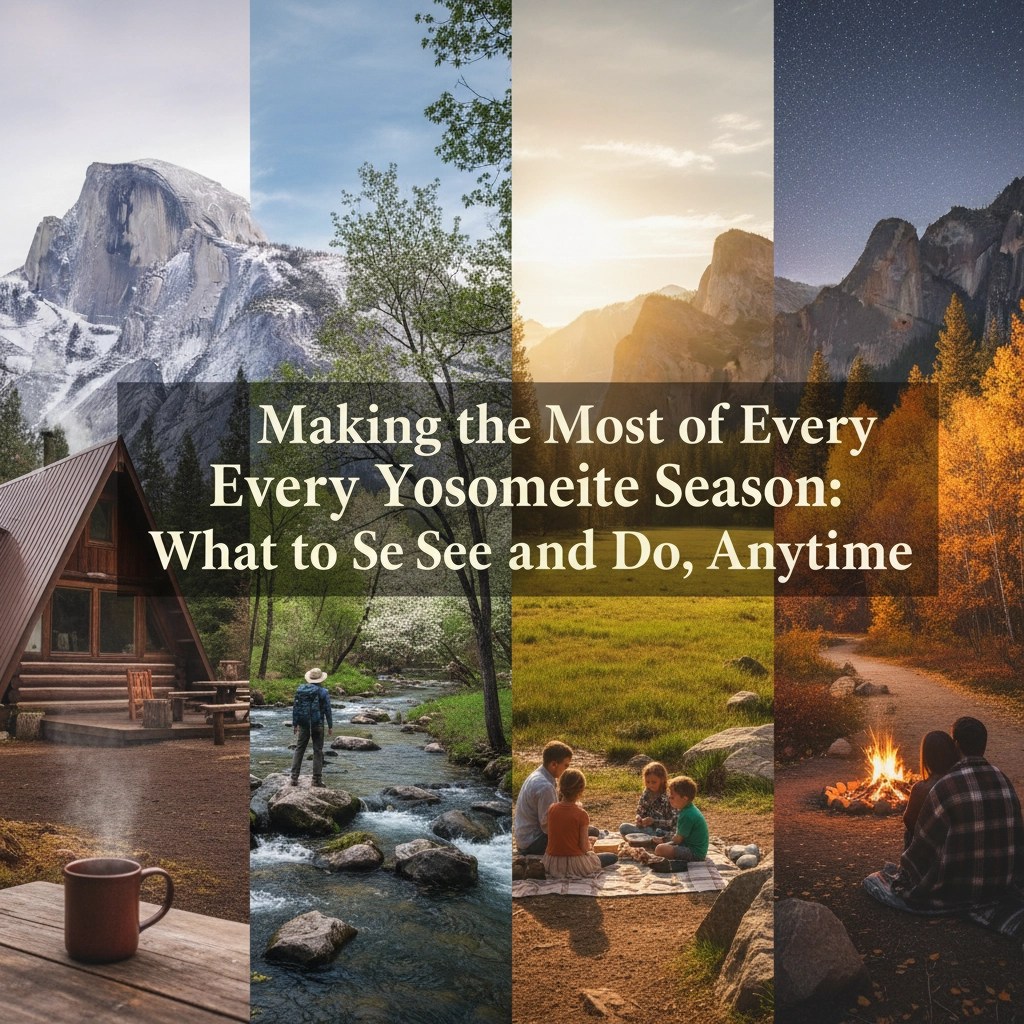
Here’s something most people don’t realize until they’ve been to Yosemite a few times: every season feels like visiting a completely different park. Sure, those granite monoliths aren’t going anywhere, but everything else? The waterfalls, the crowds, the weather, even the light hitting El Capitan, it all shifts dramatically as the calendar turns.
I’ve watched visitors show up in August wondering where all the waterfalls went, or arrive in February surprised to find cross-country ski trails instead of their planned hiking routes. The truth is, there’s no “wrong” time to visit Yosemite, but there are definitely smarter ways to plan depending on what you’re after.
Spring: When Yosemite Roars Back to Life
Spring in Yosemite isn’t subtle. Those waterfalls that were mere trickles (or completely dry) just months before suddenly become thundering spectacles that you can hear from miles away. This is peak waterfall season, roughly from April through early June, when snowmelt combines with spring rains to create some of the most dramatic water displays you’ll see anywhere.
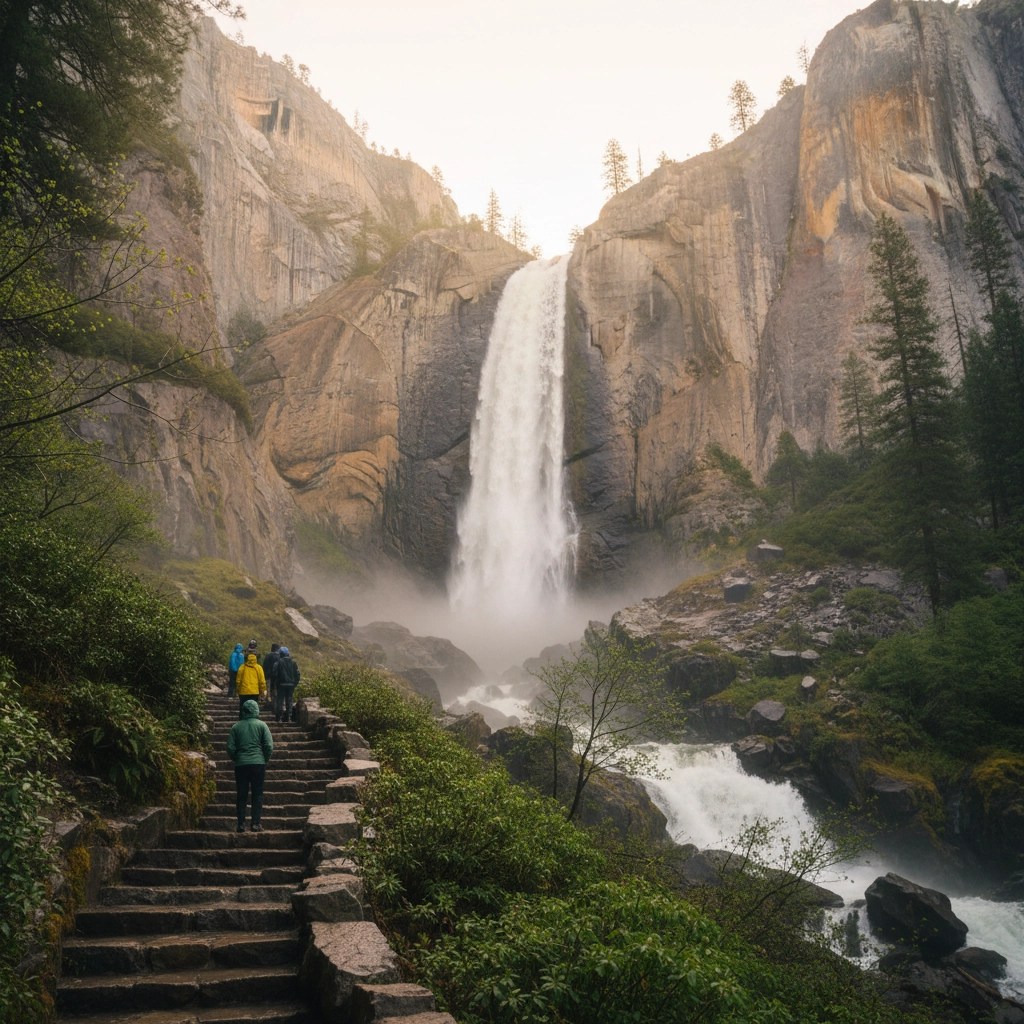
What makes spring special: Yosemite Falls is at its absolute best, sometimes so powerful that the mist soaks visitors standing hundreds of feet away at the bridge viewpoint. The Mist Trail lives up to its name during this season, offering that refreshing (okay, sometimes soaking) spray as you climb toward Vernal Fall.
The meadows come alive with wildflowers, and the weather hits that sweet spot where you can hike comfortably without the summer heat or winter gear. Plus, you’ll avoid the peak summer crowds while still having access to most trails and facilities.
Perfect for: Photographers chasing that perfect waterfall shot, hikers who want dramatic scenery without fighting for trail space, and anyone who loves that fresh, vibrant feeling of nature waking up from winter.
Insider tip: Pack layers. Spring weather can be unpredictable, sunny and warm one day, chilly and rainy the next. And if you’re planning to get close to the waterfalls, bring a change of clothes or at least a waterproof jacket.
Summer: Peak Season Glory (and Crowds)
Let’s be honest, summer is when Yosemite shows off. This is when every trail is accessible, every road is open, and the park reveals its full range of possibilities. It’s also when half the world seems to have the same brilliant idea to visit.
The high country opens up in summer, meaning you can finally access places like Glacier Point Road, Tioga Pass, and the high alpine lakes that make Yosemite legendary among serious hikers. Half Dome cables are operational, backcountry permits are in high demand, and the Merced River becomes a playground for rafters, swimmers, and anyone trying to escape the valley heat.
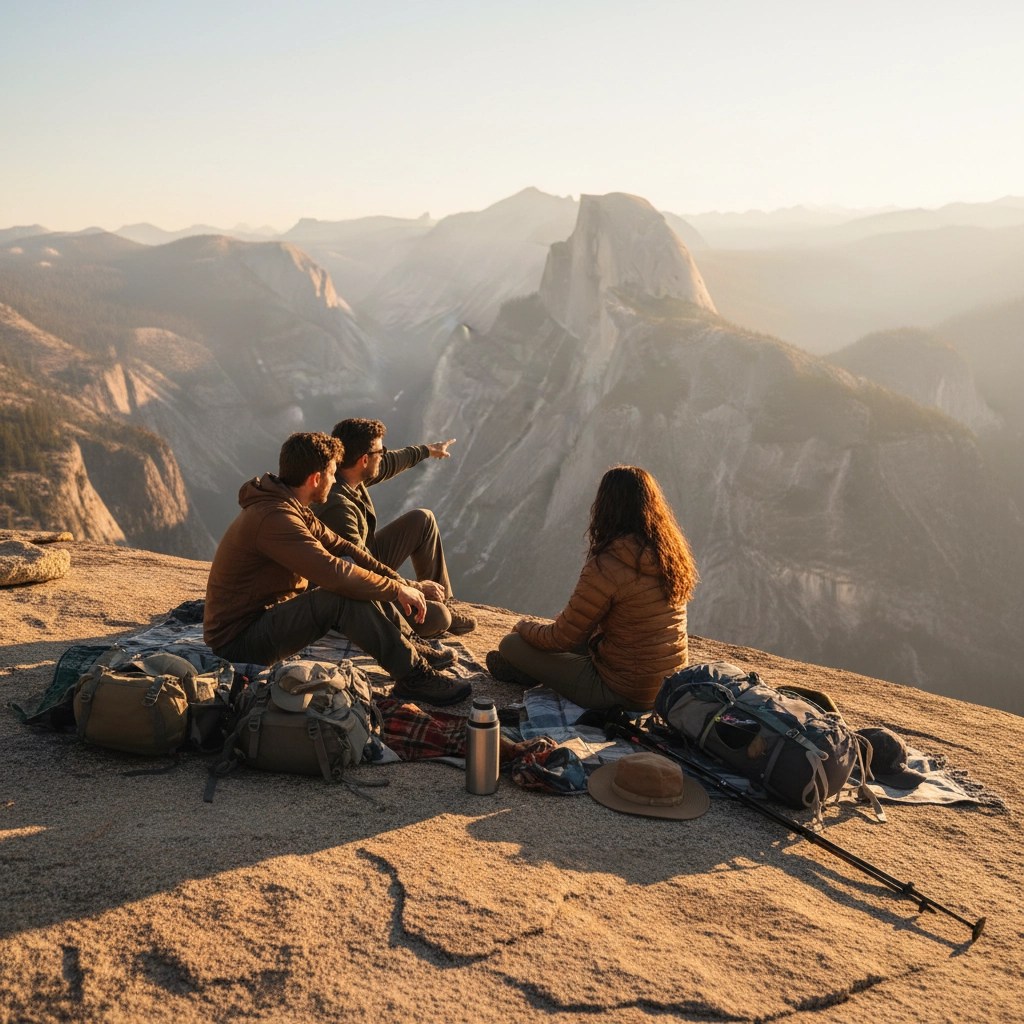
What makes summer special: Everything is accessible. Those Instagram-worthy shots from Glacier Point? Available. Want to tackle Half Dome? This is your window. Looking for challenging high-altitude adventures or gentle river floats? Both are on the menu.
Perfect for: Adventure seekers ready for the full Yosemite experience, families with school-age kids, and anyone whose schedule only allows summer travel.
Reality check: By mid-summer, many waterfalls reduce to seasonal trickles or dry up entirely. Yosemite Falls, that spring showstopper, might be completely dry by August. The trade-off is access to high-elevation trails and lakes that are buried under snow most of the year.
Local knowledge: Start your hikes early, like, really early. Not just to beat crowds, but to avoid hiking in the heat of the day. That 2,000-foot elevation gain feels very different at 7 AM versus 2 PM.
Fall: The Season Everyone Overlooks
Fall might be Yosemite’s best-kept secret. Yes, the waterfalls are mostly done for the year, but what you lose in cascading water, you gain in something else entirely: space to breathe.
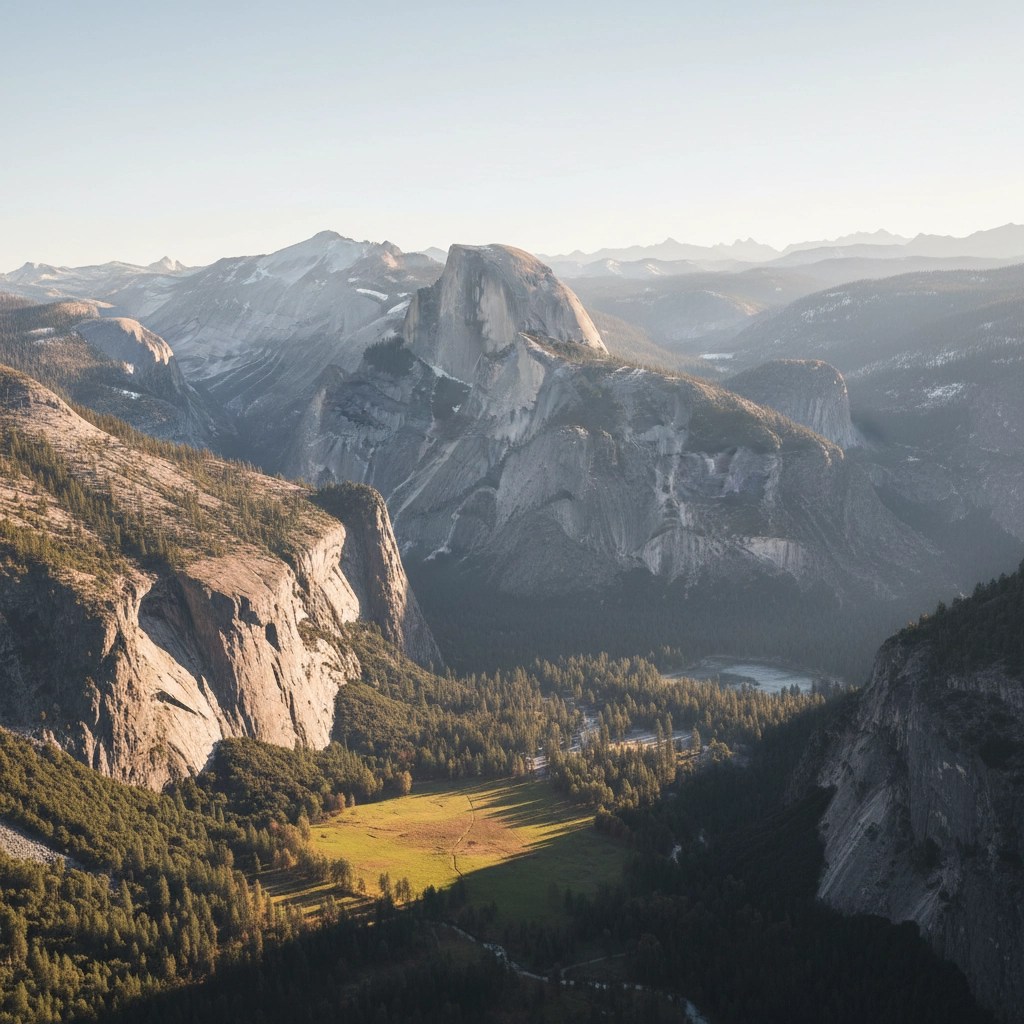
The crowds thin out dramatically after Labor Day, yet the weather often stays pleasant well into October. The oak trees in the valley turn golden, creating this warm, honeyed light that photographers dream about. And those granite walls? Without the distraction of waterfalls, you really notice their incredible scale and detail.
What makes fall special: You get Yosemite’s dramatic scenery with a fraction of the summer crowds. Hiking becomes contemplative rather than competitive. The park feels more like the wild sanctuary it was meant to be.
Perfect for: Anyone seeking a more peaceful Yosemite experience, couples looking for romantic hikes without tour groups, and photographers interested in granite formations and golden light rather than rushing water.

Bonus: Fall is perfect for exploring areas outside the valley. Places like Hetch Hetchy or the less-visited areas of the park become incredibly appealing when you’re not competing with summer’s masses.
Winter: Yosemite’s Quiet Transformation
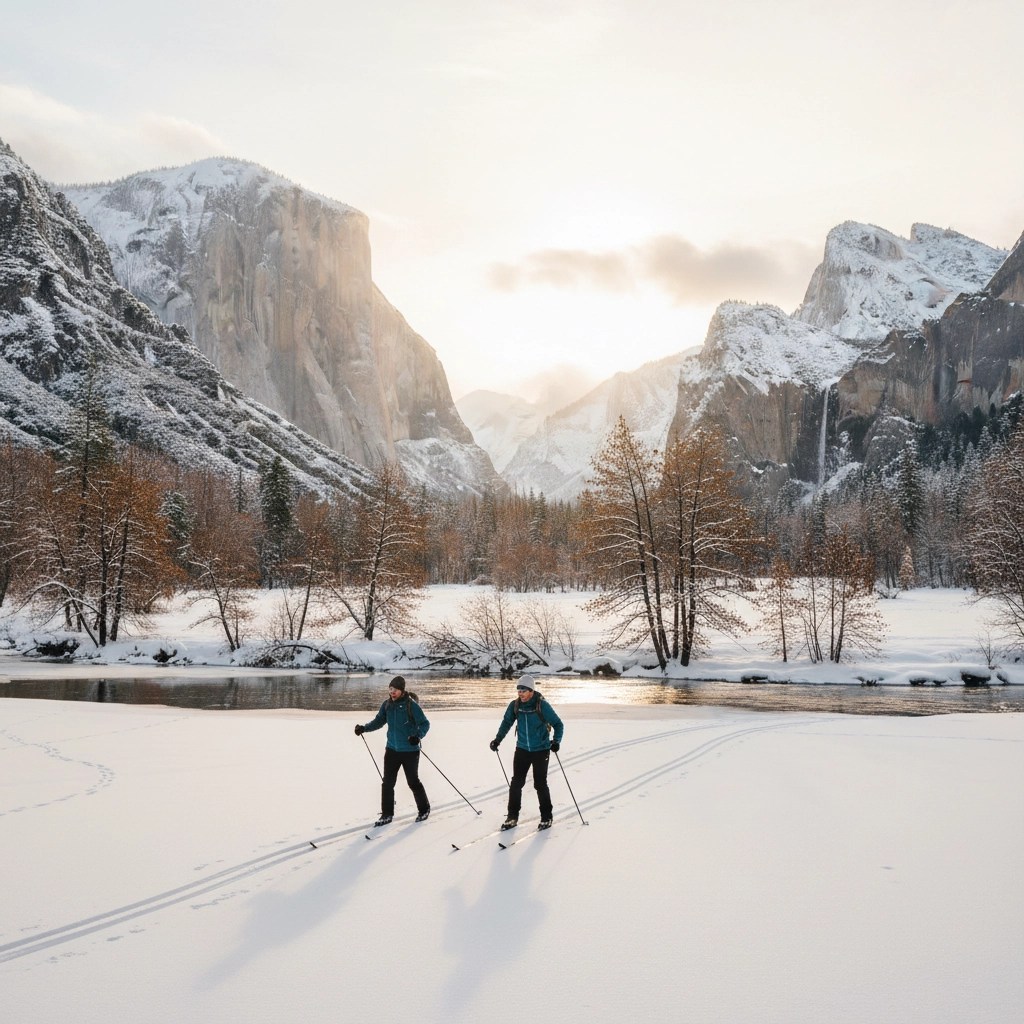
Winter transforms Yosemite into something entirely different: a snow-covered wonderland that feels more like a mountain retreat than the adventure playground of summer. Many roads close, some facilities shut down, but what remains is magical.
Cross-country skiing and snowshoeing take over from hiking. The valley floor becomes a peaceful snow park where families build snowmen in the shadow of Half Dome. Ice skating at Curry Village feels like stepping back in time, and the few waterfalls that still flow create stunning ice formations.
What makes winter special: Solitude. Snow-dusted granite peaks. The kind of crisp, clear air that makes every breath feel intentional. And surprisingly, some of the park’s most beautiful photography opportunities.
Perfect for: Anyone seeking a completely different Yosemite experience, winter sports enthusiasts, and visitors who prefer quiet contemplation over adrenaline-pumping adventure.
Winter reality: You’ll need to be flexible and prepared. Storms can close roads and facilities. Some visitor services are limited. But for many, this is exactly what makes winter special: it forces you to slow down and experience the park on its terms, not yours.
- Badger Pass Ski Area (mid-December to mid-March, conditions permitting) offers family-friendly downhill skiing, snowboarding, snow tubing, plus Nordic rentals and groomed cross-country trails. Official info: https://www.travelyosemite.com/winter/badger-pass-ski-area
- Snow tubing is available for kids and adults.
- Tire chains may be legally required during snowy or icy periods (often November–March), regardless of AWD/4WD. Check requirements before you go: https://www.nps.gov/yose/planyourvisit/tirechains.htm
- Snowmobiles are not permitted in Yosemite National Park.
- Curry Village Ice Skating Rink typically operates mid-November through early March, with Half Dome views: https://www.travelyosemite.com/winter/curry-village-ice-skating-rink
- Horsetail Fall “Firefall” usually occurs for about two weeks in mid to late February when conditions align. In 2025, the anticipated window is Feb 8–23. Park-entry reservations may be required on peak weekends. Details: https://www.nps.gov/yose/planyourvisit/horsetailfall.htm
The Art of Seasonal Planning
Each season demands a different approach. Spring visitors should build flexibility into their plans: road closures and weather changes are common, but so are unexpected opportunities for incredible experiences.
Summer requires advance planning and early starts. Popular trails and viewpoints fill up quickly, and parking becomes competitive. But the payoff is access to Yosemite’s full range of experiences.
Fall and winter visitors get the gift of spontaneity. With smaller crowds, you can make last-minute decisions about where to go and what to see. Just be prepared for cooler weather and shorter days.
Quick Planner: Sunrise, Sunset and Average Temps by Season
Times are for Yosemite Valley. Expect small shifts by date, elevation, and daylight saving.
- Spring (Mar–May)
- Sunrise: ~6:50 AM (early Mar) to ~5:40 AM (late May)
- Sunset: ~6:00 PM (early Mar) to ~8:15 PM (late May)
- Average highs: 58-73°F (14-23°C); average lows: 34-45°F (1-7°C)
- Summer (Jun–Aug)
- Sunrise: ~5:35 AM (late Jun) to ~6:30 AM (late Aug)
- Sunset: ~8:25 PM (late Jun) to ~7:35 PM (late Aug)
- Average highs: 82-90°F (28-32°C); average lows: 50-57°F (10-14°C)
- Fall (Sep–Nov)
- Sunrise: ~6:30 AM (early Sep) to ~7:10 AM (late Oct/Nov)
- Sunset: ~7:25 PM (early Sep) to ~4:45 PM (late Nov)
- Average highs: 58-89°F (14-32°C); average lows: 34-54°F (1-12°C)
- Winter (Dec–Feb)
- Sunrise: ~7:15 AM (late Dec) to ~6:35 AM (late Feb)
- Sunset: ~4:40 PM (late Dec) to ~5:55 PM (late Feb)
- Average highs: 48-53°F (9-12°C); average lows: 28-30°F (-2 to -1°C)
Use it as a gut-check: how early do you want your alarm, and how many layers are you packing?
Beyond the Famous Spots
Every season offers opportunities to explore beyond Yosemite Valley’s greatest hits. Spring is perfect for discovering smaller waterfalls and wildflower meadows. Summer opens up the high country for serious backpacking. Fall makes quieter areas like Wawona and Mariposa Grove more appealing. Winter turns simple walks into peaceful snow adventures.
The key is matching your expectations to the season. Don’t chase summer experiences in winter, or expect spring waterfalls in fall. Instead, embrace what each season offers uniquely.
Park Hours, Reservations, and Planning Ahead
Yosemite National Park is open 24 hours a day, year-round. That said, access and services vary by season. High-elevation roads like Tioga Road and Glacier Point Road typically close in winter and reopen late spring or early summer, and some shuttles and facilities run on seasonal schedules.
Reservation requirements have been used periodically to manage peak demand—most often in spring and summer and on holiday weekends. The specifics can change year to year, so last season’s rules may not match this one.
Historically, day-use reservations were required during several recent peak summers and select holidays. Expect the system to adapt based on conditions.
For current hours, road status, and any reservation updates, see the official NPS page: https://www.nps.gov/yose/planyourvisit/.
For travelers who like their sunrise starts matched with a thoughtful basecamp, Casa Oso—a collection of designer vacation homes next to Yosemite National Park—offers a calm, comfortable landing spot in every season. More at https://www.casaoso.info.
Yosemite rewards visitors who understand its rhythms. Come in spring for waterfalls, summer for accessibility, fall for solitude, or winter for transformation. Come any time, really, but come with the right expectations and an open mind.
Each season writes its own story across those granite walls. The question isn’t when to visit: it’s which story you want to be part of.
 Yosemite visits by Casa Oso
Leave a comment